Sunday, June 12, 2022

Disaster Blogathon 2: Panic in Year Zero! (1962)

After experiencing a rash of disasters, it's cathartic to turn to a good disaster film to be able to appreciate that things could be much worse, but also helpful to consider what to do if things should get much worse. In Panic in Year Zero!, we turn to Ray Milland, who directed and starred in this film, to provide us with food for thought on actions to take to ensure survival when faced with the aftermath of nuclear war. Here are ten key takeaways from this underrated disaster film that preceded the Cuban Missile Crisis by three months. 


"At a reorganization meeting of the United Nations, a resolution was introduced, whereby these darkest days in the history of civilization will henceforth be designated as the Year Zero."


1. When you see a mushroom cloud, head in the opposite direction. 

Granted, when you've gotten up at 4 in the morning to travel to your family campground for some fishing and fun with your grumpy adolescents, you may be a bit discombobulated after being irradiated with flashes brighter than the sun, but if there is a mushroom cloud over your mother-in-law's house, you are wasting valuable time traveling to see if she somehow survived the cataclysmic blast. While it's difficult to acknowledge that you cannot help your unfortunate loved ones, head of the family, Harry Baldwin, asserts that the focus should now be on the survival of the family unit. 

Frisky Dad before he becomes Survival Dad.

"Lightning? Hope it doesn't rain."

That wasn't lightning.

Random telephone booth in the middle of nowhere.

"We've had it Dad, haven't we?" 

Harry: For the next few weeks, survival is gonna have to be on an individual basis. At the moment, we have to have food, a way to protect it, and a way to get more when it's gone.

Ann: What do you want to do? Write off the rest of the world?

Harry: When civilization gets civilized again, I'll rejoin.

Ann: It's still here!

Harry: Ann, you said civilization was still here. Well, keep your eye on it. Watch it unwind to a small, hard core. Then someone's gonna start putting it back together again and I want that someone to be us. Now is that wrong, is that immoral?


2. Stock up on essentials before price gouging and supply hoarding begins. 

Catching shopkeepers unaware is your best bet to getting supplies at a reasonable price. Try to avoid involving your children in committing theft with the use of firearms. Should you come across a profiteer charging exorbitant gas prices, pay any additional costs with a knuckle sandwich delivered strongly to the jaw. 

"Our best plan is to find some small, out of the way
market where they're not sure what's happened."

Grocery expenditures: $190.03
no liquids, no eggs (too hard to store)

Harry Baldwin's Survival Grocery List:
  • 2 big bags of flour
  • a couple pounds of baking soda
  • a dozen pounds of coffee
  • half a dozen jars of honey
  • plenty of candy bars
  • a big bag of dried beans
  • canned fruit
  • condensed milk
  • big can of shortening
  • matches
  • 2 boxes of candles
  • case of soap

"I owe you $200. I'll pay you when I can."

While $3 a gallon for gas in 1962 seems cheap nowadays,
it's equivalent to paying $27.88 a gallon by today's standards.

Ann: I can't get over it. After all these years, I thought I knew you, but you turn out to be a stranger. Robbing and mauling people like some kind of a cheap hoodlum. 

Harry: We are fighting for our lives, Ann. The main highways are completely choked. They're spreading out on all the other roads. Every footpath will be crawling with men saying, no matter what, I'm going to live. That's what I'm saying too. My family must survive.

Ann: Intelligent people don't just turn their backs on the rest of the world. 

Harry: Under these conditions, intelligent people will be the first to try. 


3. Keep calm and don't drive crazy. 

Don't be this guy.


4. Don't let anyone stand in the way of your own survival.

When the path is blocked by others who are also willing to do anything to survive, you must remain fearless and determined, even if it means putting the lives of others at risk to keep your family alive.

"When I get going, fire a shot over their heads.
Maybe that'll throw 'em off balance."

Making a stop sign.

Consequences of not heeding the stop sign.


5. Assume a leadership role as soon as possible. 

When your teenage daughter is whining about survivalism being a drag and a bore, tell her to shut her yap and get to work. When your wife questions your decisions, be sure to snap at her to make her stop. Now is not the time for your leadership to come into question. Hesitating to make a crucial but unpopular decision can result in dire consequences. 

The new highway patrol.

"I oughta kill the bunch of you!"

Harry: You almost missed him. What happened?

Rick: Well, Mother pushed the gun away.

Harry: You pushed the gun when he fired?! 

Ann: He was gonna kill that boy!

Harry: That boy, as you call him, was gonna kill me. Then that boy was coming after you and Karen. Would that have suited you better? 

Ann: I just couldn't let Rick...

Harry: Would you rather see one of us lying dead at your feet? Make up your mind!


6. Try to maintain some sense of normalcy.

If you were already prepared to shave, wear makeup and style your hair on your camping trip, then you should not allow a nuclear disaster to interfere with your regular routines and habits.  

Grateful to be the one in charge.

"I lived here. They killed my mother and father."

Don't let traumatic events keep you from looking your best.

Especially if Frankie Avalon is chopping wood in a tight T-shirt.

Harry: Now, before we start, a little family discussion. Now, we don't know what lies ahead of us. Now, the unknown has always been man's greatest demoralizer. Now, maybe we can cope with this by maintaining our sense of values. By carrying out our daily routine, the same as we always have. Rick, for instance, and myself, will shave every day. Although in his case, maybe every other day. These concessions to civilization are important. They're our links with reality, and because of them, we might be less afraid. Okay? Alright.


7. Don't keep all your supplies in one location. 

Following Harry's plan, divide supplies into separate parcels to each last a week and bury them in different locations. That not only prevents anyone from finding it all in one place and easily taking it, but can also allow you to buy your way out of trouble with food. Of course, that only works if the perpetrators don't already have plenty of food on hand.


8. Know when to trust others and form alliances.

Banding together will help groups protect one another from unsavory elements. Helping folks out is preferable to helping bury them after you've turned them away.

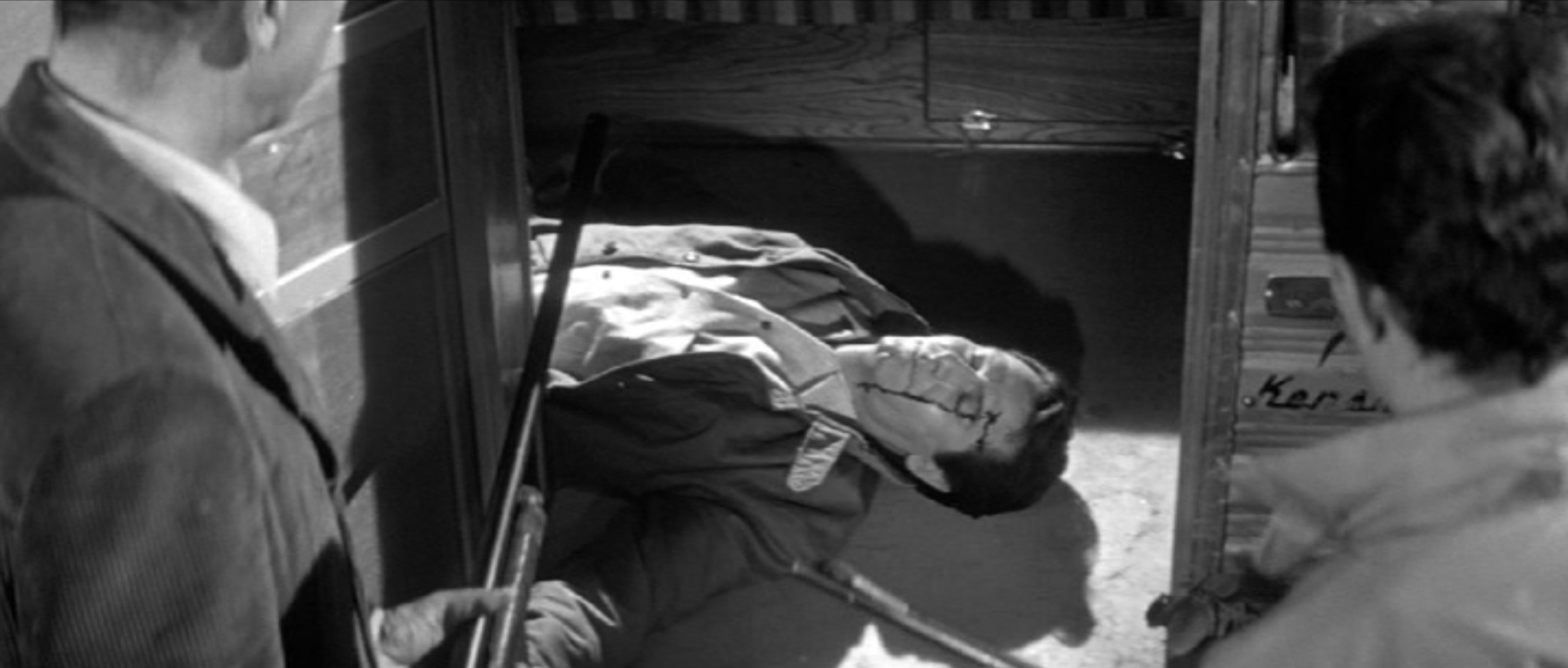


Ann: I love you, Harry, but not more than a future without hope. I've gotta have hope to go on. I've got to know there are other people like us, like our children. People who are better than just animals. There must be some good people left.


9. Remove any and all threats as soon as possible. 

Waiting to deal with dangerous thugs allows them the opportunity to do harm. 


10. Recognize when it's time to rejoin civilization. 

Once you've developed a mindset that everyone is out to get you, it can be tempting to avoid contact with civilization, so it's important to know when to return to it, though you may want to consider radiation levels before heading back home.


Harry: We are not leaving here.

Ann: But they just said we could.

Harry: If we had to, in an emergency.

Ann: What is this? Why can't we go?

Harry: There's a lot of country between here and Wheaton.

Ann: So what? C'mon Harry, tell me. So what?

Harry: A lot of the wrong people heard that broadcast too. The roads will be crawling with them. 

Ann: Do you think we're safer here? After the Johnsons and Karen and Marilyn?

Harry: I have some measure of control here. Out there, none. Now leave me alone. Please.


Thoughts: 

This is an unpleasant and horrifying film, so it's hard to say that I enjoyed it, but I found it to be suspenseful and fascinating to watch. It demonstrates how people can act contrary to their true nature when faced with decisions of survival, but what's interesting to ponder is the question of whether or not you can survive without turning your back on your mores and values when faced with the aftermath of a nuclear disaster.

Ann resists Harry's assertion that they need to kill and steal to survive, though the movie seems to support most of his actions. His rejection of Ed Johnson and refusal to immediately take the family to a relocation center led to disastrous consequences, so clearly he was not always right. 

Harry is controlling and irascible the way he continually snaps at Ann, as well as the harsh way he treats Marilyn, yelling at her to "get dressed and get out," after she had been raped and had her parents murdered. It's difficult to know if his behavior was the result of the stressful circumstances or if this was in line with who he is. 

There are complaints about the discordant effect of Les Baxter's jazz score in this movie. I share the following clip to document what is surely the worst use of jazz score in film. I can only imagine that it may have been intended to lessen the impact of the horrifying action onscreen, but the music seemed more appropriate to a group of friends going on a madcap caper than a vicious attack. It's not surprising that the music is removed from this scene where it appears in the trailer for the movie. 


The movie lacks many of the special effects necessary to show the devastating effects of nuclear war that is found any many other films on the topic, since its focus is mainly on post apocalyptic survival and it didn't have the budget to support it, but that seems to work for it. There is also not a lot of information on what led to the use of nuclear weapons and who was responsible for initiating the attack, nor is there any indication in favor or against nuclear armament. Several radio reports are heard during the movie to give some indication of what was happening in the greater context of the situation, which seemed sufficient.

"Among the targets of this devastating attack were New York, Chicago, Philadelphia, San Francisco, and Los Angeles. Damages and casualties are extremely heavy. London, Paris and Rome have suffered almost total destruction, it was learned. We have retaliated in kind. Key targets of our counterattack have not yet been announced."

This film was one of three distributed by American International Pictures featuring Milland, along with Roger Corman's The Premature Burial and The Man with the X-Ray Eyes. While it's not without its defects, it is a film worth seeing. You can find it on Blu-ray, DVD or streaming online. Watch the trailer below. 


This post is part of The Second Disaster Blogathon, hosted by Dubsism and Pale Writer. Follow the links to indulge yourself in more panic inspiring entries from dedicated aficionados of disaster films. 


After that, you can come back here to read up on some other divine disasters I've covered:


Saturday, April 9, 2022

Spring Into Folk Horror: Midsommar (2019)

When I picked up this film, I had no idea it would be one I would watch twice within a week. That is pretty rare for me to do, especially with a contemporary film, but this is a movie that lends itself to being seen again to pick up all the things that were missed on first viewing. I appreciate the lush visuals, unsettling score, and the many layers to contemplate. It has the feel of a folk horror film from the 70s. It is shocking, unsettling and perturbingly satisfying. 

In this film, Dani experiences a tragic loss and ends up tagging along with her boyfriend and his mates to attend a once in a lifetime midsummer festival in Sweden. While it's clear that all is not right as attendees from outside the commune begin to disappear one by one, their fate only becomes known late in the film. This movie will easily become a favorite film that will hold up to repeated viewing. I highly recommend it to anyone who appreciates folk horror. 


Sunday, March 20, 2022

Spring Into Folk Horror: Robin Redbreast (1970)

I did one of the worst things I could possibly do. I watched a movie about movies. Woodlands Dark and Days Bewitched documents the history of folk horror films from all over the world. It is a thorough and interesting investigation that naturally inspired me to add to my burgeoning collection, as I couldn't resist exploring more of my favorite kind of horror movies involving backwoods pagans and witches. 

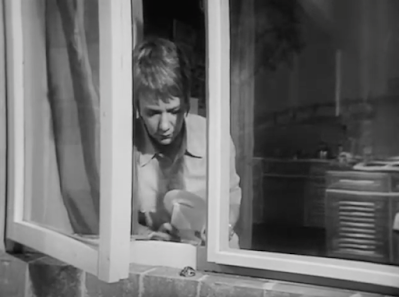
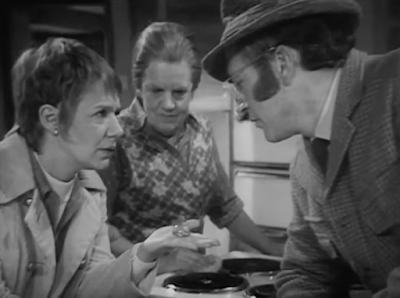
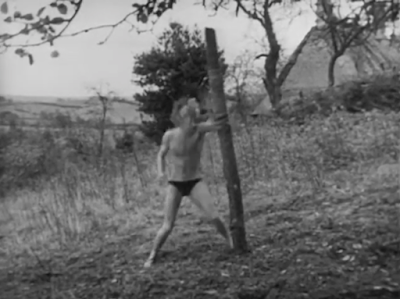
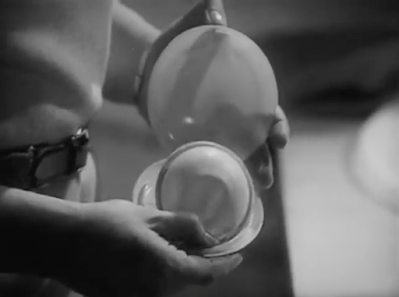
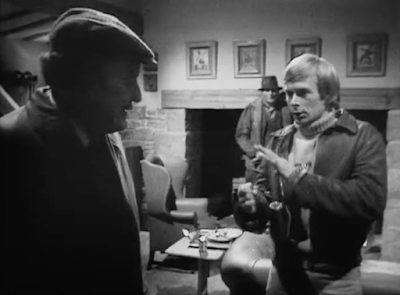
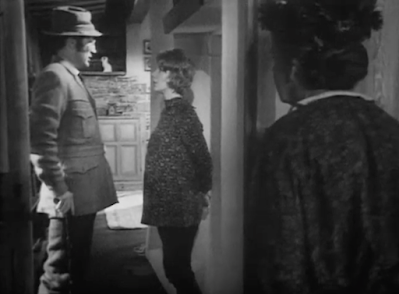
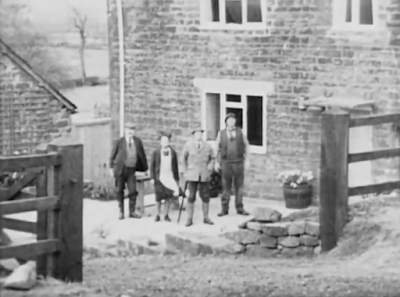
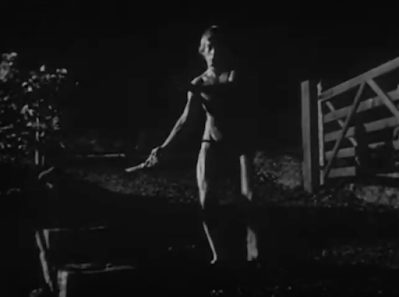
One of the movies documented was Robin Redbreasta BBC television play from 1970 that seemed appropriate viewing for the first day of Spring. In this movie, Norah Palmer decides to take up residence in a vermin infested, remote country cottage after breaking up with her boyfriend of 8 years. She retains a local housekeeper, Mrs. Vigo, who seems to know everything there is to know about everybody; is accosted in her garden by Fisher, who immediately asks to examine her yard for sherds and always seems to be lurking about; and comes across handsome Rob, nĆ©e Edgar, attacking a pole in the woods, clad only in a speedo. They all seem to have common knowledge of an artifact she found on her windowsill, asking her if she'd brought it into the house with no apparent way of knowing she found it outside, all describing it as a marble cut in half.


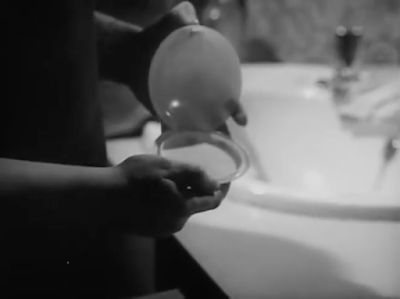
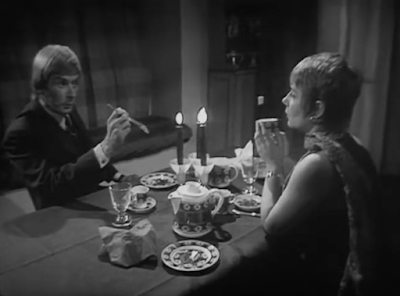
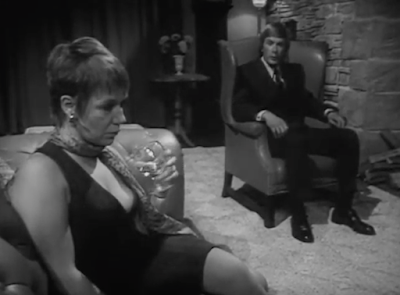
She invites "dishy" Rob to dinner, discovering just before their date that her diaphragm has mysteriously gone missing, though his incessant, one-sided conversation about the SS makes it unnecessary, killing any cougar desire she may have harbored for him, and she bids him goodnight. 


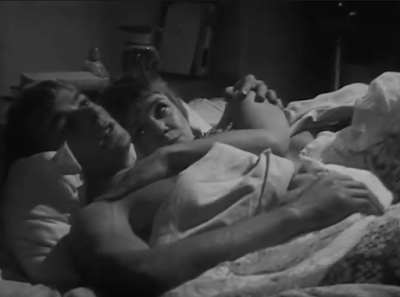
She awakens to find a bird trapped in the house and her screams bring him rushing back to comfort her, making her ripe for his ardent advances. 


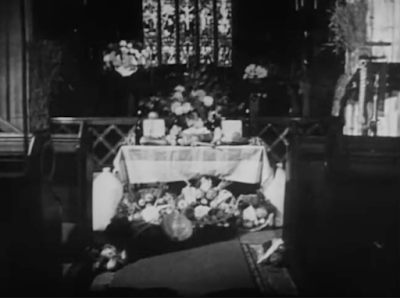
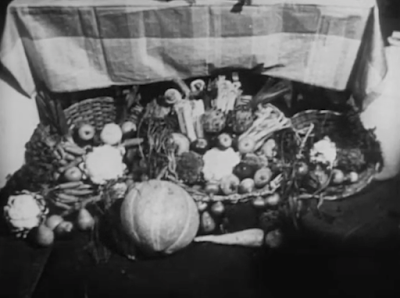
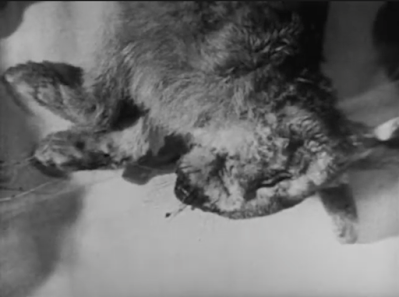
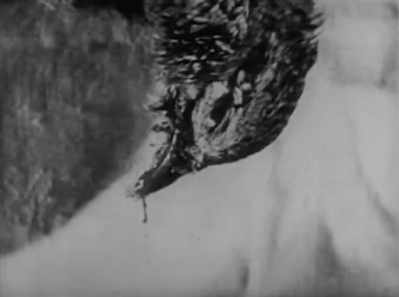
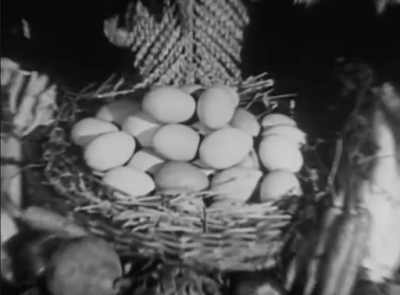
The next day, Mrs. Vigo invites her to church for a harvest festival, but despite her claims that she's agnostic, she's finally bullied into going, seemingly unaware that most churches don't typically display dead chickens and rabbits on the altar.


She tells her London friends soon thereafter that she's pregnant, describing how her birth control went missing and reappeared the night after. She wonders if someone purposefully put the bird down the chimney to draw Rob back into the house, or if he did it himself. Her friends offer to help, but she says she can find an abortionist herself. 


Rob comes looking for her in the city, begging her not to kill his son. She says she wants the child as much as she doesn't want it. He notes that she has the half marble with her and she says she found it in her suitcase, claiming Mrs. Vigo probably stuck it in there. She tells him when she comes to the cottage again, she doesn't want to see him, no matter what she decides about the child. 


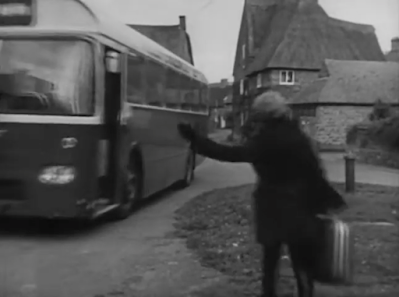
Once she returns to the cottage, Mrs. Vigo insists she must remain there until Easter. When she tries to leave, she finds her car is no longer working, and when she calls her friends to come get her, the connection is lost and her phone stops working. She attempts to take a bus, but it refuses to stop for her. She realizes that she's unable to leave and feels trapped. She writes a letter to her friends, imploring them to come get her, but Fisher tells the woman at the post to hold on to her letter for a few days. This would be a good place to stop reading if you don't want to know how this movie ends. Go check it out on YouTube or Amazon Prime Video and come back here when you're done. 


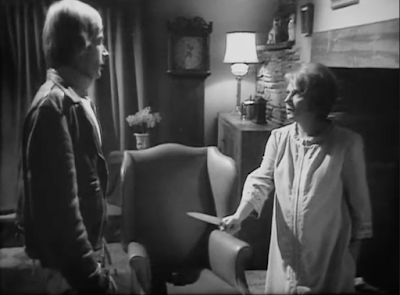
The night before Easter, Rob stops by. She lets him in when he says he's got nothing to do with it. He tells her he's leaving in the morning, and that Fisher paid for his ticket to Canada. She asks what service he provided that inspired Fisher to put up the money for a ticket, and realizes it was a stud fee. As she begins to add up all the clues, she becomes agitated, demanding to know why she's being kept there until Easter, and the purpose of his being there. She threatens him with a knife, as people try to get in through her locked doors. He claims to not know what's happening and says he's on her side. He says he's not one of them, and she sees that he's scared. 


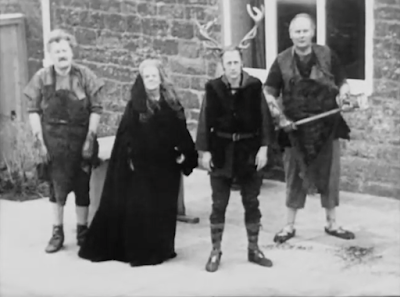
Peter emerges from the chimney with an ax and Nora passes out. Rob is led away and Peter follows with the ax. Rob's terrified screams are heard. 


Norah comes to and finds Mrs. Vigo in her kitchen. She tells her she's taking her to church, informing her that the part for her car has arrived and Fisher's picking it up. She asks where Rob is, and Fisher enters and tells her he's gone to Canada. 


She asks why he is allowing her to go, when she could go to the police. He asks what she'd go to them about. He tells her about a legend of the goddess of fertility, who would couple with a pampered young king. The king would then be sacrificed and crops would spring up from his blood. He connects it to Robin Hood, Robin of the Dale, and the robin redbreast, saying that the male lives only one year and the female has many partners. He suggests that the police would think her foolish if she went to them with a tale like that. He offers to make arrangements for her babe at a local orphanage, but she declines, backing out of the cottage. She gets in her car and drives off as they watch her go.


Thoughts:
This is an utterly creepy movie that recalls to mind the Wicker Man and Rosemary's Baby. The unexpected ending was effective, and while the baby does not end up being claimed by the clan, it's not hard to imagine this crafty group will find a way to arrange to bring the lad home when he comes of age to serve as the next sacrificial king. There are some interesting shots and a strange dream sequence to enjoy. This movie was initially presented in color, but it is well suited to this surviving black and white print. This was an entertaining film that I would gladly watch again.